Source Manual Lever Valve for Globe, Bottom, and Bypass Uses
Find and compare 30 manual lever valve options for globe, bottom, and bypass applications. Evaluate specifications like pressure ratings, materials, and mounting types to select the right component for your industrial needs.
Key considerations
Products List




Comprehensive Sourcing Guide
Manual Lever Valve Sourcing Guide
Procuring manual lever valves requires a precise understanding of the mechanical actuation methods and the specific operational environments where these devices are deployed. The core of this sourcing strategy involves identifying components that rely on direct human intervention for opening and closing, ensuring reliability in scenarios where automated systems are unavailable or impractical. Buyers must distinguish between various actuation styles, such as horizontal and vertical mounting configurations, which dictate the physical installation requirements and the ergonomic accessibility for operators in the field.
The market for these components is characterized by a diverse range of models, from simple globe valve operators to complex mechanical levers designed for high-pressure applications. Sourcing decisions should be grounded in the specific functional needs of the facility, such as the requirement for underground positioning or the need for a column-shaped structure that fits within constrained spaces. Understanding the distinction between ordinary temperature and high-pressure ratings is essential, as these factors directly influence the material selection and the overall durability of the valve assembly in service.
Product Scope and Observed Listing Signals
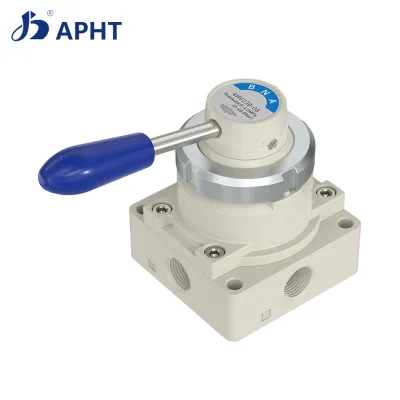
The available product listings reveal a broad spectrum of manual lever valve types, including manual pull rod operators and bottom valves equipped with operating levers. These products are frequently categorized by their specific application, such as globe valves, and are often designed with a straight-through channel type to minimize flow resistance. Buyers should note that the physical form factor varies significantly, with some units described as column-shaped and others designed for specific mounting orientations, which impacts the spatial planning required for installation.
Listing signals indicate that customization is a common feature, allowing suppliers to tailor the product to specific customer requirements regarding dimensions and packaging. The observed data shows a wide range of packaging options, from paper boxes and cartons to wooden cases, suggesting that the shipping and handling protocols must be carefully aligned with the fragility and size of the specific unit ordered. Additionally, the presence of various model numbers, such as XQ, JSJS-22016, and JN-SPV2002, highlights the need for buyers to verify the exact model designation against their technical drawings to ensure compatibility.
Technical Specifications to Verify
Technical verification must begin with the material composition, as the supplied data indicates a mix of metal and stainless steel options depending on the specific model and application. For applications involving water media or high-pressure environments, the material choice is critical to prevent corrosion and ensure structural integrity under stress. Buyers should explicitly confirm whether the valve body is constructed from standard metal alloys or stainless steel, as this distinction affects the lifespan and maintenance schedule of the equipment in corrosive or demanding industrial settings.
The operating parameters, including pressure ratings and temperature limits, are equally critical for ensuring safe and effective operation. While some listings specify high-pressure capabilities, others are rated for ordinary temperature conditions, necessitating a clear match between the valve's specifications and the process conditions of the facility. Furthermore, the driving mode is consistently manual, but the specific mechanical design, such as floating ball valve structures or bypass functions, must be validated to ensure the valve can perform its intended function, whether it is for relief, blow-down, or atmospheric control.
Compliance and Safety Documentation
Compliance verification for manual lever valves often centers on the presence of recognized quality management certifications, such as ISO 9001, which indicates that the manufacturer adheres to standardized production processes. While the data confirms the availability of ISO certification for certain products, buyers should treat this as a verification point rather than a universal guarantee, ensuring that the specific batch or model ordered carries the necessary documentation. The presence of authentication standards is a strong indicator of a supplier's commitment to quality, but it must be cross-referenced with the specific product batch to confirm validity.
Safety and operational documentation should also include details regarding the warranty and inspection procedures provided by the supplier. A standard one-year warranty is observed in the market, which serves as a baseline for post-purchase support and liability coverage. Additionally, the availability of video outgoing inspection services suggests that suppliers are willing to provide visual proof of the product's condition before shipment, a valuable step for verifying that the unit matches the agreed-upon specifications and is free from visible defects prior to delivery.
Cost Drivers and Commercial Terms
The commercial landscape for manual lever valves is influenced by several cost drivers, including the complexity of the mechanical design, the material grade, and the level of customization required. The observed minimum order quantity (MOQ) ranges from single units to 2000 pieces, indicating that pricing structures may vary significantly based on the volume of the order. Buyers should anticipate that smaller orders might carry a higher unit cost due to setup and handling fees, while larger volumes could benefit from economies of scale, provided the supplier has the capacity to meet the demand.
Packaging and logistics represent another significant factor in the total cost of ownership, as the data shows a variety of packaging methods ranging from simple cartons to robust wooden cases. The choice of packaging often correlates with the size and fragility of the valve, with larger or more delicate units requiring more substantial protection to prevent damage during transit. Buyers must factor in these packaging requirements when calculating shipping costs and ensuring that the delivery method aligns with the specific needs of the receiving facility, particularly for heavy or oversized items.
Supplier Qualification and Quality Control
Supplier qualification should prioritize manufacturers with a proven track record in producing valves for specific applications, such as globe valves or high-pressure systems. The data indicates that suppliers are located in key manufacturing hubs like Jiangsu, Zhejiang, and Wenzhou, which are known for their industrial capabilities. Buyers should verify the specific origin of the product, as regional differences can impact the quality of raw materials and the precision of the manufacturing processes used to produce the manual lever mechanisms.
Quality control measures are essential to ensure that the delivered valves meet the required performance standards. The presence of video outgoing inspections and warranty provisions suggests that reputable suppliers implement rigorous pre-shipment checks. However, buyers should also request detailed test results or performance data specific to the model being purchased, as the general observation of "New" status does not guarantee that every unit meets the same high-performance criteria. Establishing a clear quality assurance protocol with the supplier is crucial for mitigating the risk of receiving non-conforming products.
Long-Term Procurement Checks
Long-term procurement success depends on establishing a reliable supply chain that can consistently meet the facility's operational needs over time. Buyers should monitor the supplier's ability to maintain consistent product quality and availability, especially for specialized models like the XQ or JSJS-22016 series. Regular audits of the supplier's production capacity and inventory levels can help prevent supply disruptions, ensuring that critical valve replacements or expansions can be executed without delay.
Continuous evaluation of the product's performance in the field is also necessary to validate the initial selection and identify any potential issues that may arise during operation. Buyers should track the frequency of maintenance required and the overall durability of the manual lever valves in their specific application environment. By maintaining a feedback loop with the supplier regarding field performance, organizations can make informed decisions about future procurement, ensuring that the selected valves continue to meet the evolving demands of the industrial process.
FAQs
What materials are used for manual lever valves?
Manual lever valves are typically constructed from metal or stainless steel to ensure durability and resistance to corrosion. These materials provide the necessary structural integrity for high-pressure applications and underground installations. The choice between standard metal and stainless steel depends on the specific media being handled, such as water or air, and the operating environment requirements.
Can manual lever valves be customized for specific projects?
Yes, customization is available for manual lever valves to meet unique project specifications. Manufacturers offer OEM services to tailor the product name, mounting type, and packaging according to customer requirements. This flexibility allows buyers to specify details such as horizontal or vertical mounting and specific packing methods like paper boxes or wooden cases for safe transport.
Which certifications do manual lever valve manufacturers hold?
Manufacturers of manual lever valves typically hold ISO9001 certification and other ISO standards to ensure quality management systems are in place. These certifications verify that the production processes meet international standards for consistency and reliability. Buyers can rely on these credentials to assess the manufacturing capability and quality assurance practices of the supplier before placing orders.
What is the typical MOQ for manual lever valves?
The minimum order quantity for manual lever valves ranges from 1 to 2000 units, depending on the supplier and product type. This wide range accommodates both small-scale procurement needs and large industrial projects. Buyers should check specific supplier listings to determine the exact MOQ, as some vendors may offer lower quantities for standard models while requiring higher volumes for customized options.
How are manual lever valves packaged for shipping?
Manual lever valves are packaged in various formats including paper boxes, cartons, and wooden cases to ensure safe delivery. The packaging choice often depends on the product size, weight, and customer requirements. Some suppliers provide standard carton packaging, while others use wooden cases for extra protection, especially for heavier or more delicate valve components during international transit.
What pressure ratings are available for manual lever valves?
Manual lever valves are available in high-pressure ratings suitable for demanding industrial applications. These valves are designed to handle significant pressure levels while maintaining seal integrity and operational reliability. The specific pressure rating depends on the valve model and material construction, with options ranging from standard to high-pressure configurations for globe valves and other types.